
DOCUMENTARIES
Why Critics Miss the Point of the Myspace Documentary @Hot Docs 2026

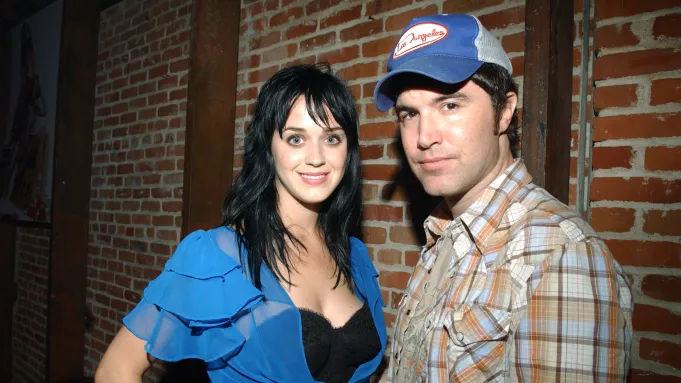
FERNTV looked forward to viewing the new documentary Myspace by director Tommy Avallone. We approached the film with an open mind — a mindset that reflects the attitude many former users of the once-dominant social media platform shared during its rise to popularity. The documentary explores the life cycle of Myspace, from its explosive growth to its eventual decline, while highlighting the impact it had on internet culture and social interaction. The film features interviews with the platform’s founders, musicians, comedians, and celebrities who used Myspace to build their audiences and elevate their profiles.
Myspace was about connection, popularity, and self-expression. Users obsessed over how many friends they had and who made it into their coveted “Top 8” — a feature that could strengthen friendships or spark drama overnight. It was also a platform where people could fully express themselves through music, photos, videos, custom profiles, and personal messages. Long before today’s social media landscape, Myspace pioneered many of the features and ideas that platforms like Instagram, Facebook, TikTok, and even OnlyFans would later embrace and monetize.
Some critics of the documentary appear to have a personal issue with its themes and, more specifically, with the types of people director Avallone chose to interview — many of whom are millennials. For example, Alex Hudson of Exclaim! wrote:
“It’s unclear exactly who this is for: younger viewers presumably won’t care about a bunch of elder millennial celebs like Dane Cook and Chris Carrabba marvelling at being able to connect directly with their fans, while older viewers who were there at the time won’t need their adolescence repeated back at them.”
FERNTV strongly disagrees with this perspective. At no point did the documentary feel like it was simply “repeating adolescence” back to viewers. Instead, it highlighted an era of creativity, experimentation, and discovery that shaped internet culture as we know it today. The criticism also carries an unnecessary ageist tone, dismissing the film’s subjects simply because they belong to an older generation of internet users.
This criticism continues in a review by Richie Assaly from The Grind, who wrote about the documentary’s celebrity interviews:
“The presence of this motley crew, I suppose, is designed to evoke a rosy nostalgia for an era characterized by emo-pop and MTV reality shows; to gin up a longing for a simpler, less complicated time when Myspace was at the centre of culture. What we get instead is a deluge of millennial cringe that will leave you feeling queasy and slightly ashamed.”
But should audiences really feel ashamed of this era? Should people feel embarrassed for using a platform that helped them discover music, make friendships, connect with artists, or launch creative careers? Or is this simply another broad attack on millennials for embracing a cultural moment that mattered to them?
There are people who refuse to acknowledge those who paved the way for today’s digital culture. The documentary gives viewers insight into the vision of Myspace founders Chris DeWolfe and Aber Whitcomb, whose stories about building one of the internet’s first major social networking sites are genuinely fascinating.
Because Myspace no longer dominates the social media world, some critics dismiss its history as irrelevant or outdated. However, for viewers willing to approach the documentary with an open mind, Myspace demonstrates how the platform created a space where people could connect with strangers, share creativity, and form communities during the early days of social networking.
Aside from the negativity surrounding the documentary, FERNTV believes Myspace is a well-crafted and entertaining film. Tommy Avallone selected the right voices to tell this story and structured the documentary effectively, taking audiences from Myspace’s birth to its eventual downfall in a clear chronological fashion. There is genuine passion behind the filmmaking, and that enthusiasm translates directly to the audience. For many viewers, the documentary will spark nostalgia for a unique era of internet culture that existed only two decades ago. Ultimately, those who are overly critical of the film may simply be uncomfortable revisiting a period of online culture they no longer value. FERNTV, however, sees Myspace as both a celebration and a reflection of a digital movement that helped shape the online world we live in today.










Reel Talk & Reviews is fueled by a group of female contributors with a passion for the entertainment industry.
-
 SXSW 20267 months ago
Monsters of God @SXSW 2026
-
DOCUMENTARIES5 months ago
Myspace Comes Back @Hot Docs 2026
-
MUSIC7 months ago
Los Lobos Native Sons Rise Once Again @SXSW 2026
-
ACTORS/ACTRESSES7 months ago
Edie Arnold is a Loser @SXSW 2026
-
FEATURES8 months ago
Finn Wolfhard in Crash Land @SXSW 2026
-
BIPOC11 months ago
House Party Makes a Comeback @Sundance 2026
-
BIPOC5 months ago
My Body Goes to Work Is a Compassionate, Unflinching Look at Intimacy and Care
-
BIPOC9 months ago
Nas and Soul Patrol @Sundance 2026











1 Comment