DOCUMENTARIES
The Power of Public Access @ Sundance 2026
A space on cable television where anarchists and avatars of counterculture of New York created content on Public Access

To think that for us to doomscroll all day and night and watch countless TikToks or reels on Instagram and Facebook is considered normal. Let alone the infinite hours you can spend on YouTube just going down your favourite rabbit hole. Sometimes you have to step back and think, where did this all come from? Is there somewhere out there where we can trace the roots of this excessive dopamine into our brains?
Director David Shadrack Smith goes back to a time when a social experiment became a turning point in society in his new documentary film, Public Access. New York’s Manhattan Cable Television hijacked American screens during the 70s to 90s. It was a safe space for creators to shine light on their fancy. Much of the content was low-budget risque to even downright illegal, which literally stunned a mainstream audience. These channels were known to be known as Public Access channels. It was a movement to democratize television. It was to show them what you got, basically.
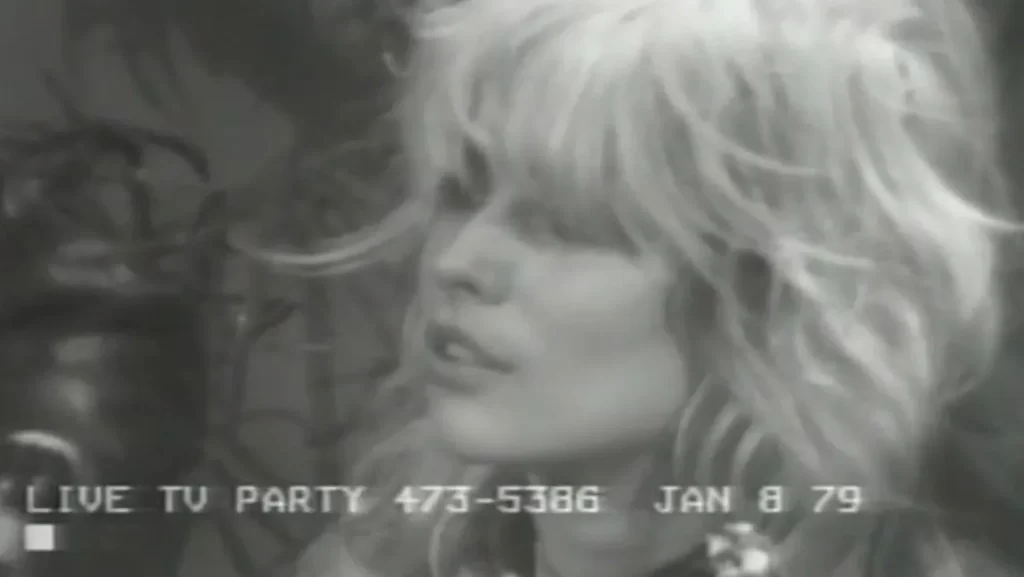
There were shows like Party TV where Debbie Harry would be a regular guest on Glenn O’ Brien’s underground show, which were recorded with a video camera. Anarchist Coca Crystal smoked pot on television and conducted interviews on a segment called “If I Can’t Dance, You Can Keep Your Revolution.” Emerald City became one of the pioneering LGBT+ series that pushed the boundaries of television.
But then came the more provocative and controversial segments of Public Access that had many up in arms. Shows like “The Ugly George Hour” had George Urban troll the streets of Manhattan and coerce women to undress in front of the camera or show a little skin. “The King of Porn,” Al Goldstein also had his own segment called “F- You,” which had salacious content and commercials from the sex industry. Yes, it was a chaotic time for cable television because of the content that many were seeking to pull the plug on, or what we consider today, looking to “cancel” these shows.
Director David Shadrack Smith investigates an era where technology and social movements went hand in hand. The video cameras were easily accessible and affordable for those in the underground scene of New York to create chaos in living rooms. But the question was, why was it so controversial when it was what these creators were living at the time? Why would they lie about their livelihood would be the remaining question. The truth was something that a majority of the audience had a problem with, and they were trying their best to refrain from giving space to those displaying it. What was the cost of free expression?
What captivates audiences about Public Access is how these creators were able to get the ball rolling with their segments that sparked social movements through a restricted and evolving media. FERNTV believes that this historical piece will have many layers for you to unpeel, which will be so much fun.






Reel Talk & Reviews is fueled by a group of female contributors with a passion for the entertainment industry.
-
 SXSW 20268 months ago
Monsters of God @SXSW 2026
-
DOCUMENTARIES6 months ago
Myspace Comes Back @Hot Docs 2026
-
MUSIC9 months ago
Los Lobos Native Sons Rise Once Again @SXSW 2026
-
ACTORS/ACTRESSES8 months ago
Edie Arnold is a Loser @SXSW 2026
-
FEATURES9 months ago
Finn Wolfhard in Crash Land @SXSW 2026
-
BIPOC6 months ago
Behind the Scenes of ‘The Delivery Line’: A Discussion with Nance Ackerman
-
BIPOC6 months ago
My Body Goes to Work Is a Compassionate, Unflinching Look at Intimacy and Care
-
BIPOC10 months ago
Nas and Soul Patrol @Sundance 2026








3 Comments